Heritage Spotlight
Where stone whispers tales of valor & glory
Explore the monumental engineering, royal defenses, and summer pavilions built by the Mewar, Rathore, and Kachwaha dynasties across centuries.
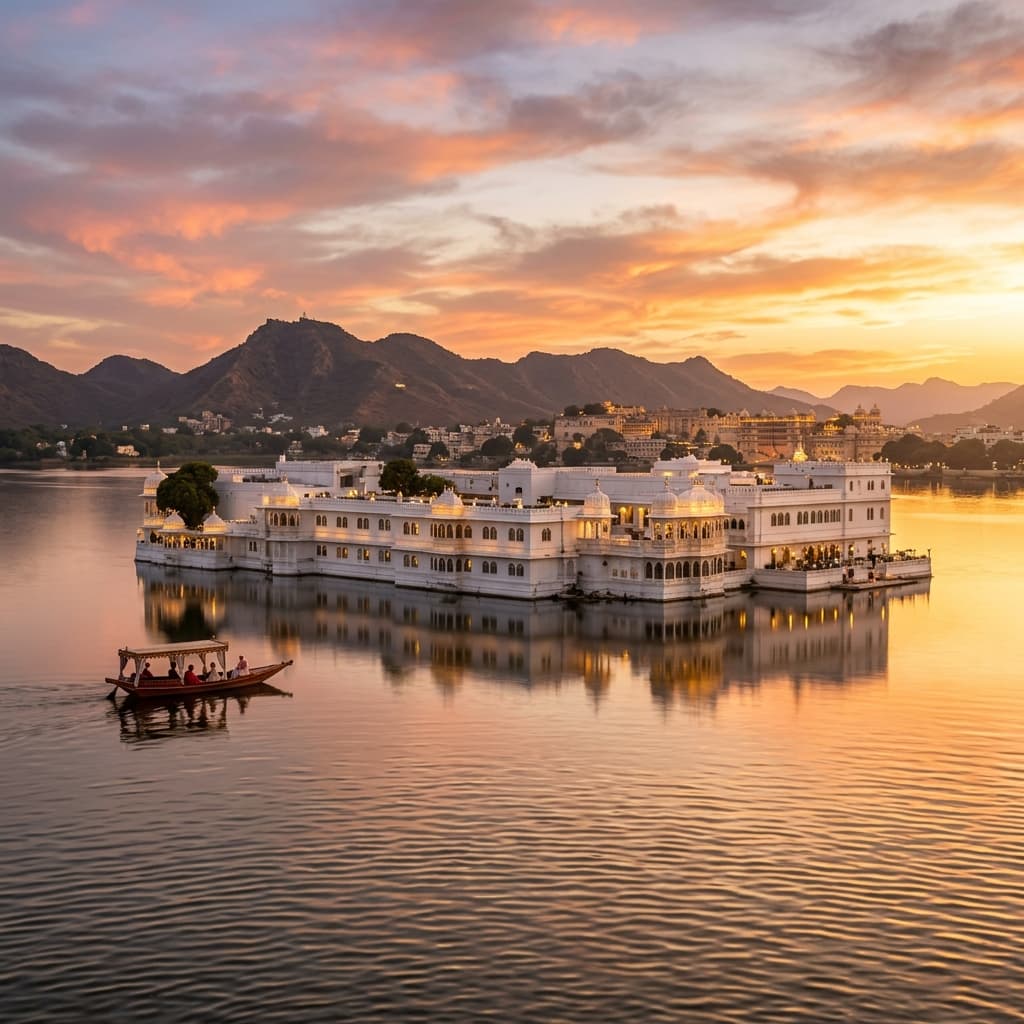
Amber Fort (Amer Fort)
Rajput-Mughal Fusion
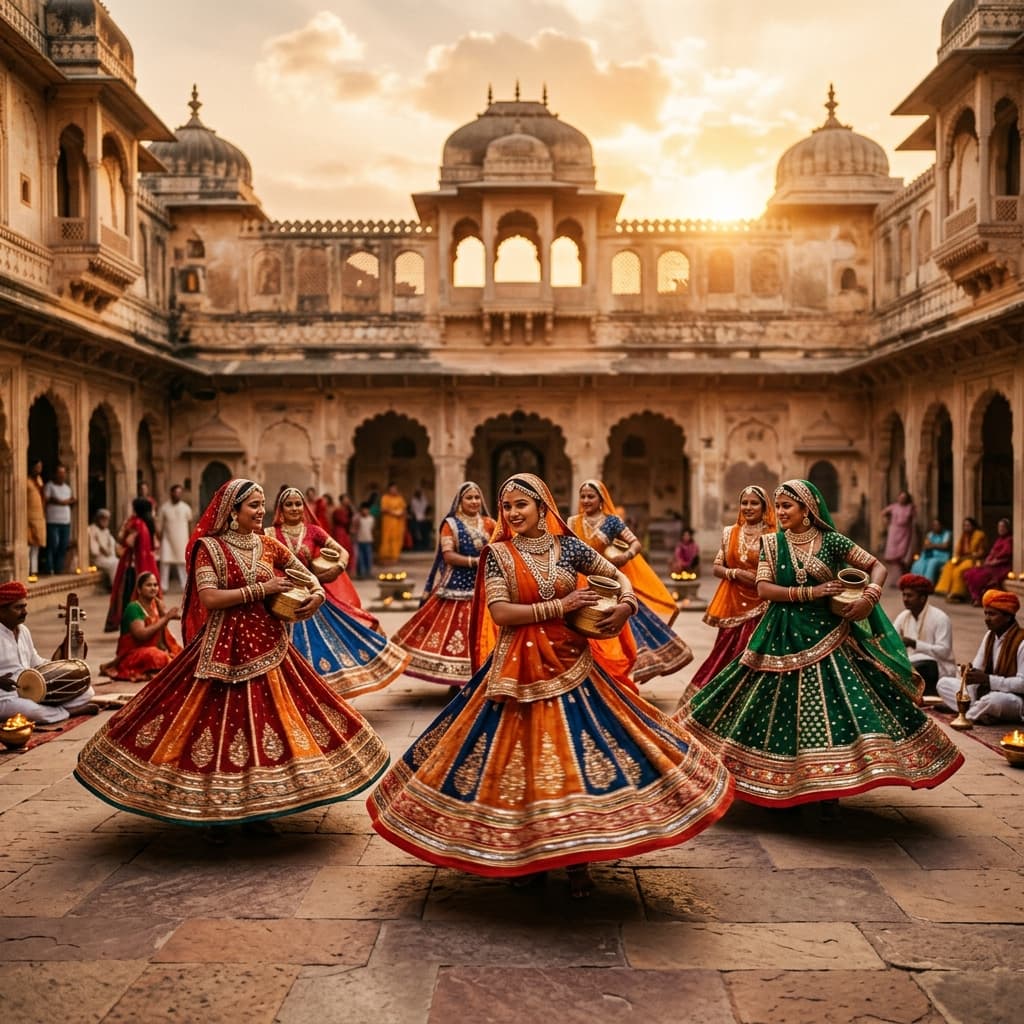
Mehrangarh Fort
Traditional Mewari Rajput
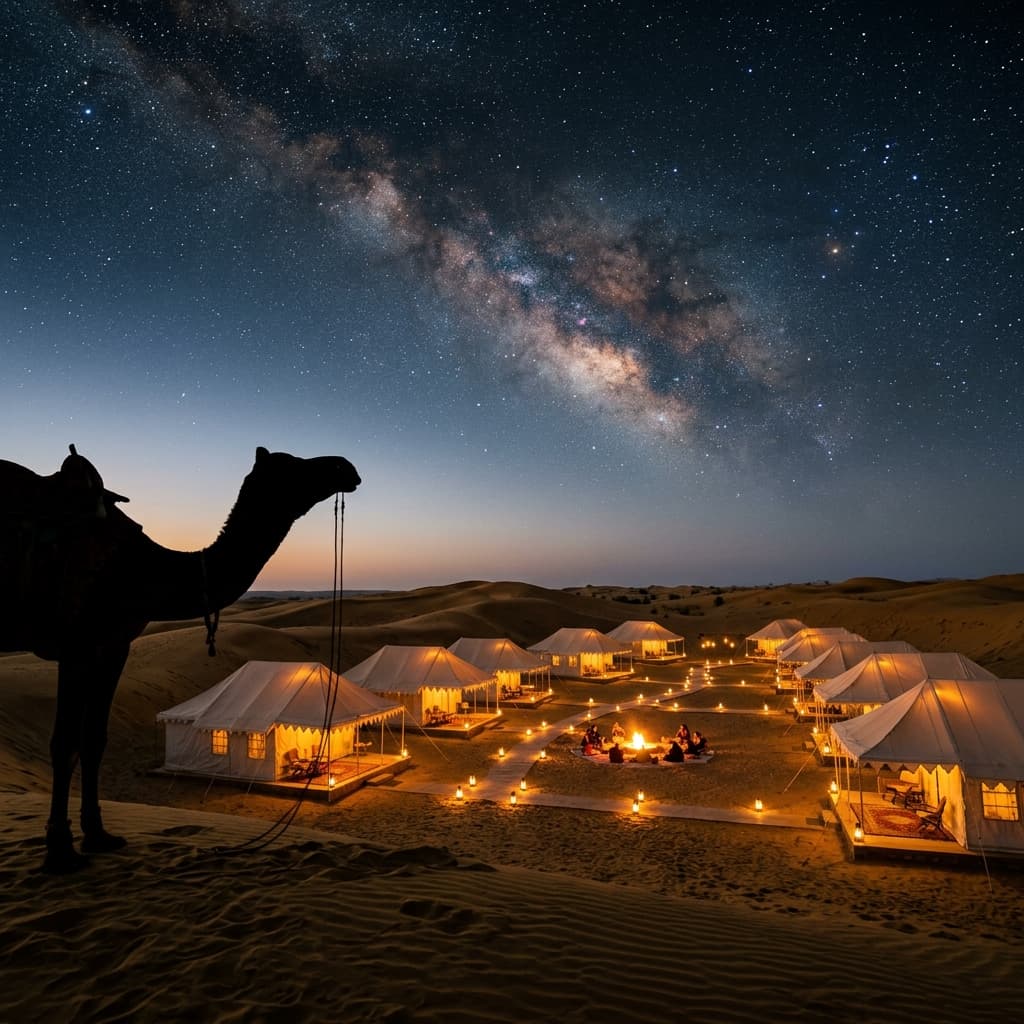
Jaisalmer Fort (Sonar Qila)
Thar Yellow Sandstone Gothic-Rajput
Chittorgarh Fort
Ancient Rajput Bastion Style
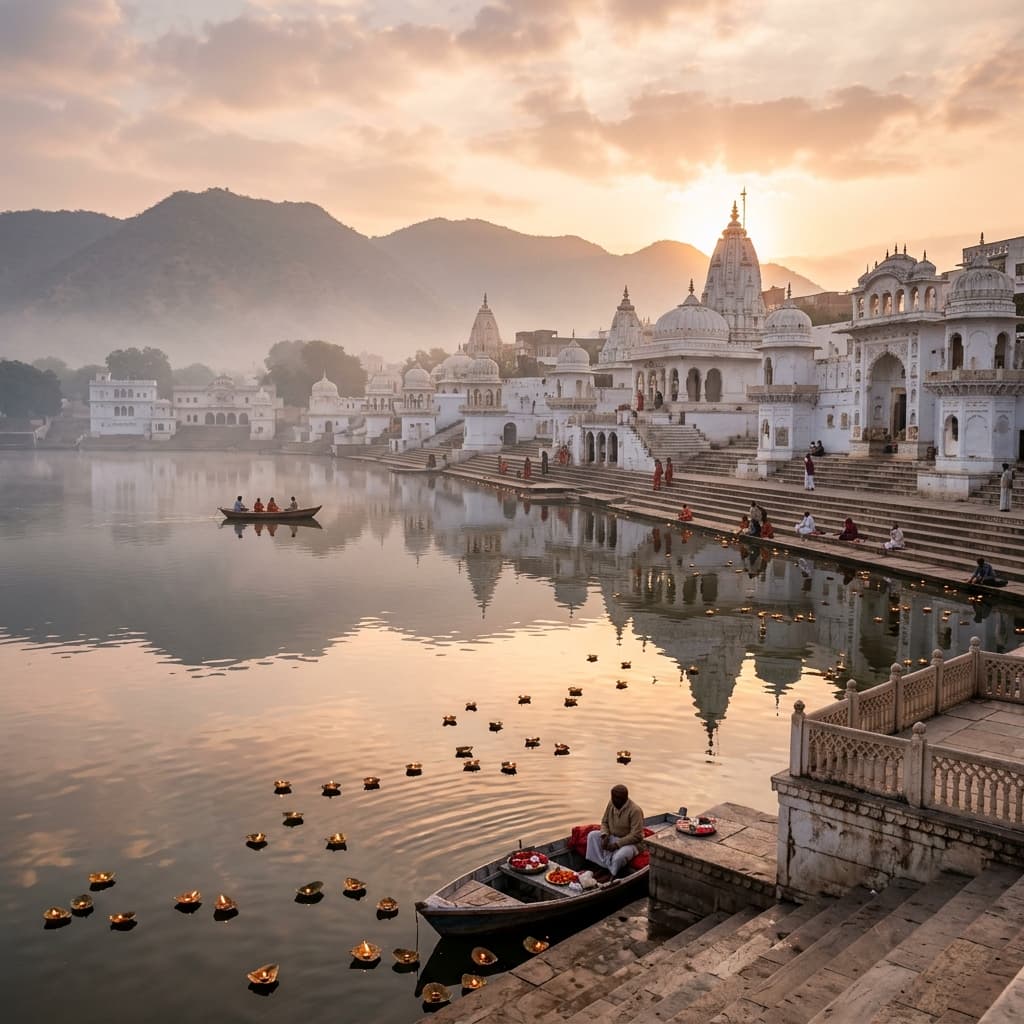
Kumbhalgarh Fort
Mewari Hill Fortress
Junagarh Fort
Indo-Saracenic & Mughal Blend
Lake Palace (Jag Niwas)
Mewari Lake Palace Gothic
Udai Bilas Palace
Ornate Dungarpur Bluestone Art
Amber Fort (Amer Fort)
Rajput-Mughal Fusion
Mehrangarh Fort
Traditional Mewari Rajput
Jaisalmer Fort (Sonar Qila)
Thar Yellow Sandstone Gothic-Rajput
Chittorgarh Fort
Ancient Rajput Bastion Style
Kumbhalgarh Fort
Mewari Hill Fortress
Junagarh Fort
Indo-Saracenic & Mughal Blend
Lake Palace (Jag Niwas)
Mewari Lake Palace Gothic
Udai Bilas Palace
Ornate Dungarpur Bluestone Art
8
Iconic Monuments
6
UNESCO Protected
700+
Years of History
5
Royal Dynasties
Amber Fort (Amer Fort)
Serving as the ancient seat of the Kachwaha clan, Amber Fort is constructed from pink and yellow sandstone, overlooking Maota Lake. It housed the royal family before the founding of Jaipur in the plains below.
Architectural Highlights
Mehrangarh Fort
Rising 125 meters above the skyline of Jodhpur, Mehrangarh is one of the largest forts in India. Rudyard Kipling described it as 'the work of giants.' It was never taken by siege in its 500-year history.
Architectural Highlights
Jaisalmer Fort (Sonar Qila)
Known as the Golden Fort due to its yellow sandstone walls that blend into the desert sand at sunset. It is one of the world's few fully functioning 'living forts,' with a quarter of Jaisalmer's old city population residing inside.
Architectural Highlights
Chittorgarh Fort
Spread across 700 acres, this is the grandest fort in India and the historic capital of Mewar. It stands as a symbol of Rajput valor, sacrifice, and the romantic legends of Queen Padmini.
Architectural Highlights
Kumbhalgarh Fort
Famous for having the second-longest continuous wall in the world, stretching over 36 kilometers. Birthplace of the legendary Mewari warrior Maharana Pratap, it served as a refuge for Mewar's rulers during times of attack.
Architectural Highlights
Junagarh Fort
Uniquely built on the plains rather than a hilltop, Junagarh was originally called Chintamani. It features highly decorated, luxury interiors that were well preserved due to Bikaner's isolation.
Architectural Highlights
Lake Palace (Jag Niwas)
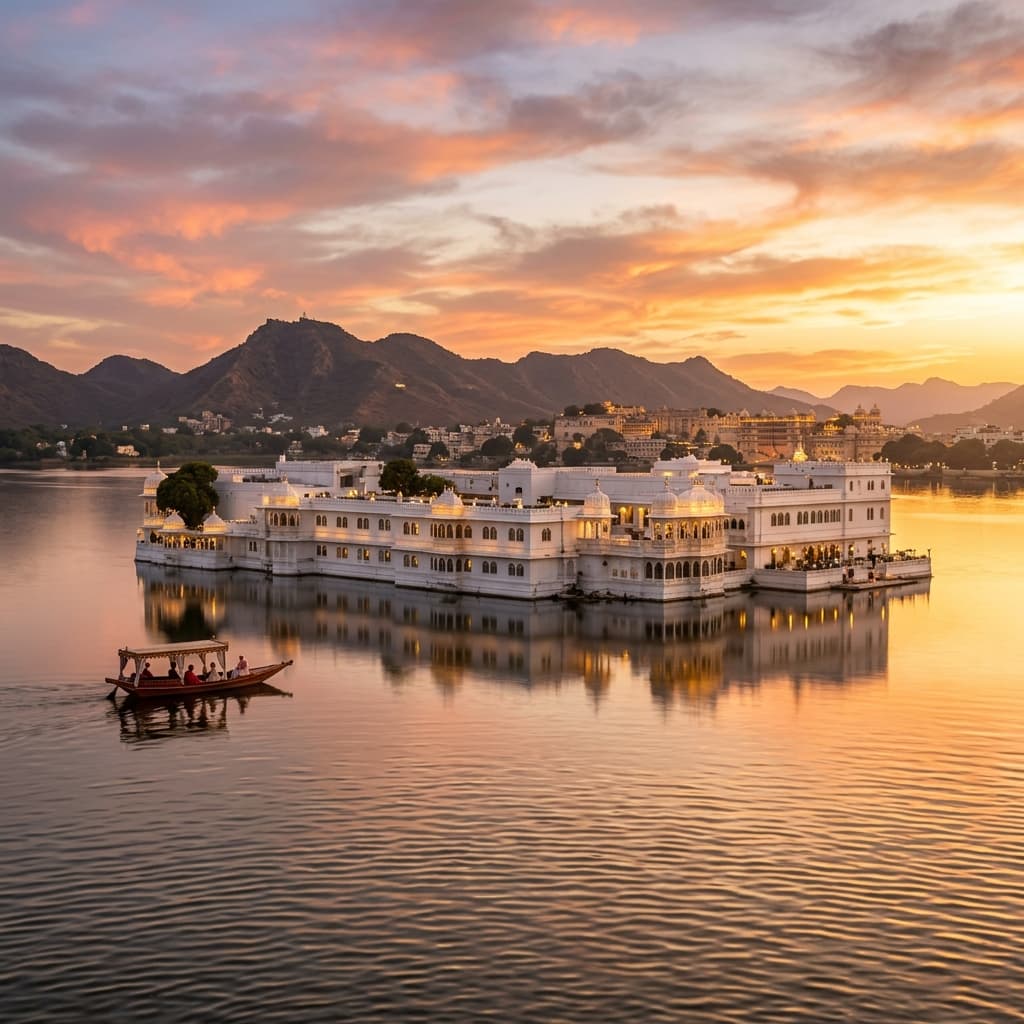
Constructed on the natural island of Jag Niwas in Lake Pichola, this palace is now a world-renowned luxury heritage hotel. It was built as a summer palace for Mewari royalty and faces east so guests could worship the sun god.
Architectural Highlights
Udai Bilas Palace
Sitting on the edge of Gaibsagar Lake, this palace is constructed from local Dungarpur bluestone. It is celebrated for its incredible stone carvings and the one-pillared Ek Thambia Mahal.
Architectural Highlights
UNESCO World Heritage Custody
Six hill forts of Rajasthan — Amber, Chittor, Gagron, Jaisalmer, Kumbhalgarh, and Ranthambore — were collectively designated as UNESCO World Heritage sites in 2013. Their massive ramparts protect ancient palaces, temples, and natural wildlife preserves spanning over a millennium of architectural evolution.